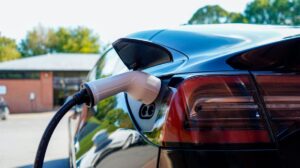
Mandatory installation of electric vehicle charging stations by January 2023
Non-residential buildings must be equipped with charging points for electric vehicles.

Mandatory installation of electric vehicle charging stations by January 2023
Non-residential buildings must be equipped with charging points for electric vehicles.
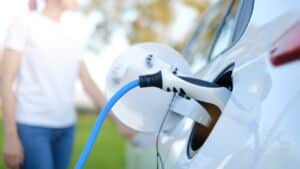
How to care for an electric car battery
Learn about the measures that should be taken into account to extend the useful life of your electric vehicle.
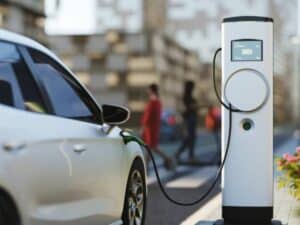
Can I install a recharging point on the street?
No, a private individual cannot install a recharging point on the public highway on his own. These points depend on municipal permits and are usually managed by municipalities or concessionary companies. However, there are alternatives and aids to have your own charger or to request the installation in your area.
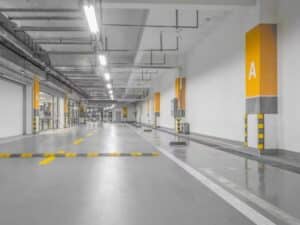
You can install an EV charger in your communal garage parking space without a vote at the residents’ meeting. Article 17.5 of Spain’s Horizontal Property Law guarantees this right. You only need to notify the building manager in writing 30 days in advance. ITC-BT-52 regulations, free letter template and legal steps updated for 2026.

The Esteve-Fernández family opted for solar self-consumption in their high-consumption home. Today, their electricity bill has dropped by 90 %.

The Puig-Mas family was looking for an efficient, sustainable air-conditioning solution that would offer them comfort in all seasons. Today, thanks to aerothermal energy combined with underfloor heating, they have reduced their energy costs by 65% and enjoy a perfect temperature all year round.

The Martí-Clavé couple decided to take advantage of the complete renovation of their apartment to replace the old electric heating system with an efficient and sustainable solution.

The Riera family was looking for a comprehensive solution to eliminate their dependence on gas and electricity from the grid. Today, thanks to a hybrid aerothermal and photovoltaic system, they enjoy bill-free heating, cooling and hot water for most of the year.
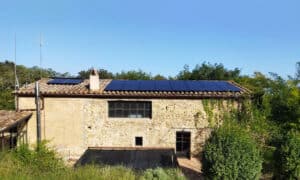
What is the maintenance of solar panels?
Residential PV systems have several advantages. Even so, good maintenance is required to avoid sudden inconveniences.

Aerothermal maintenance: keys to an efficient and long-lasting system
The maintenance of the fan heater is simple but essential: filter cleaning, annual professional inspection and control of tanks and circuits. This ensures maximum efficiency, more savings and a useful life of up to 20 years.
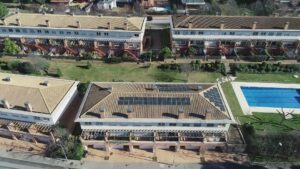
Recycling of solar panels in Girona
In Girona, solar panels must be recycled at municipal clean points or through authorized waste management companies. If you replace your installation, the installation company is obliged by law to remove and recycle the old panels. About 90% of the materials (glass, aluminum, silicon and metals) can be recovered and reused.
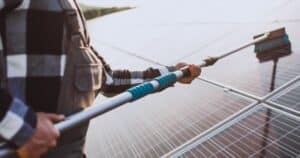
¿Cuántas veces hay que limpiar las placas solares?
Cleaning solar panels with the right frequency can improve their efficiency by up to 25%. We answer all your questions with practical tips, recommended products and real-life situations depending on the environment.