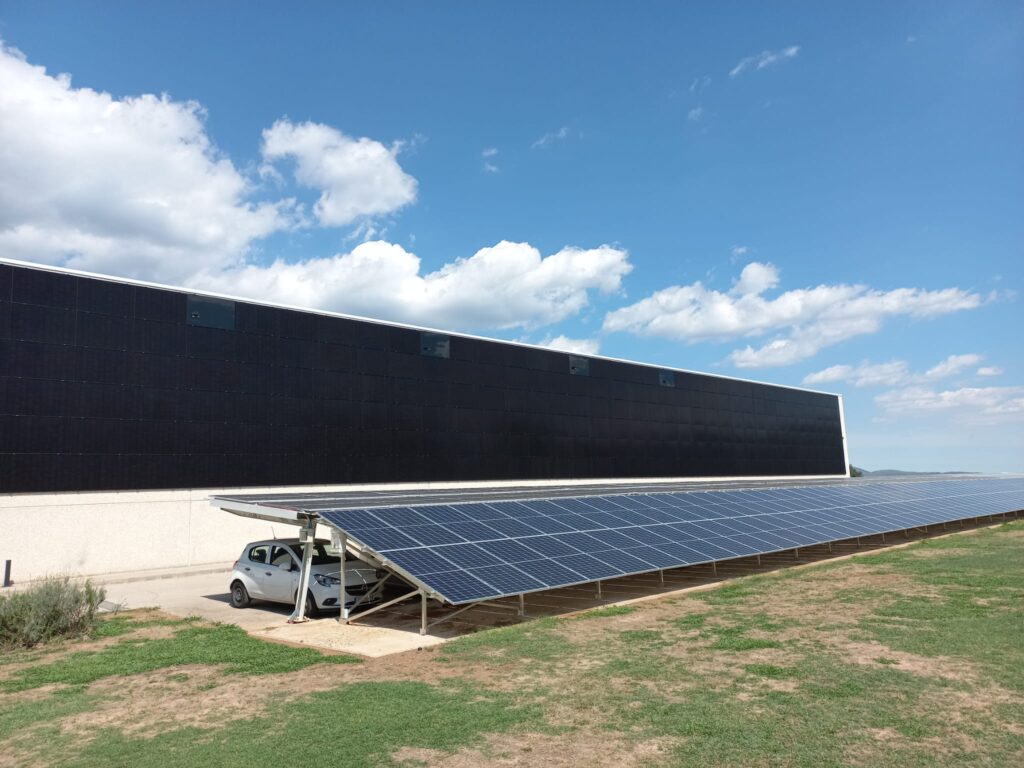
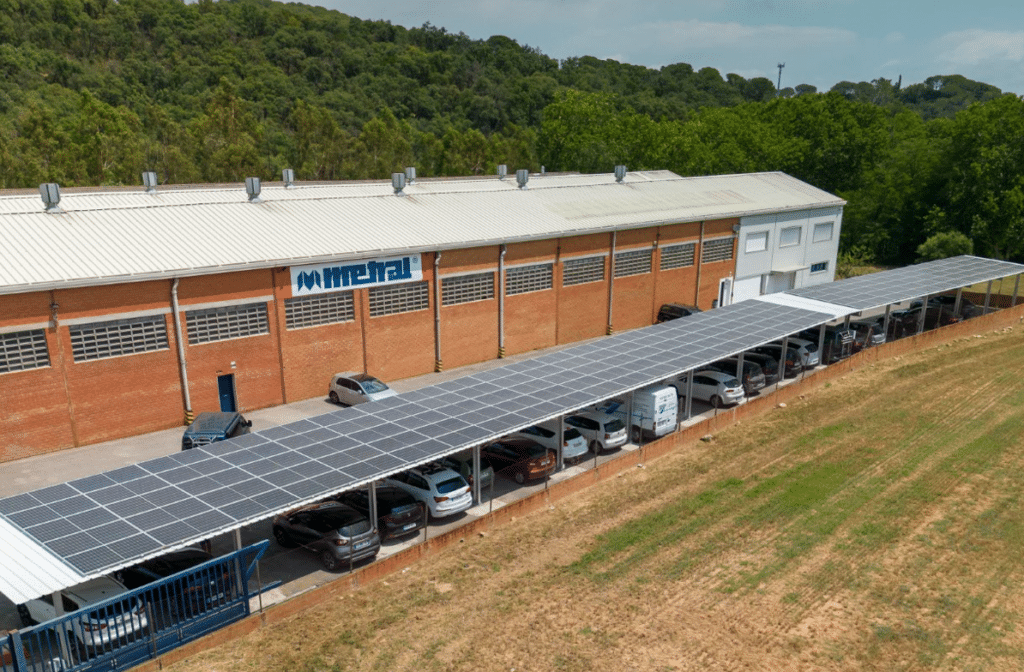
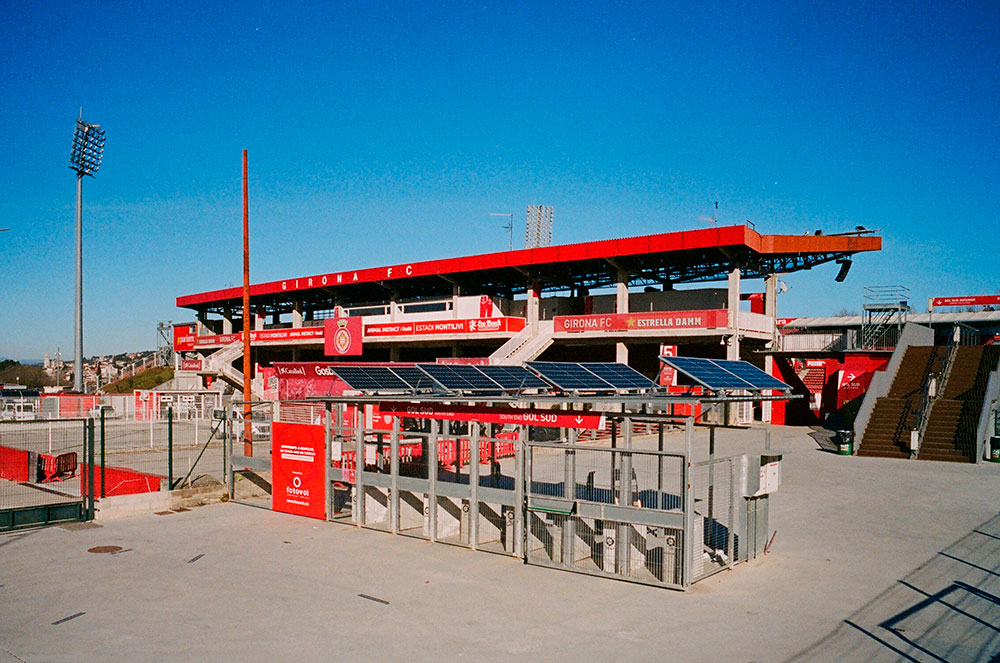
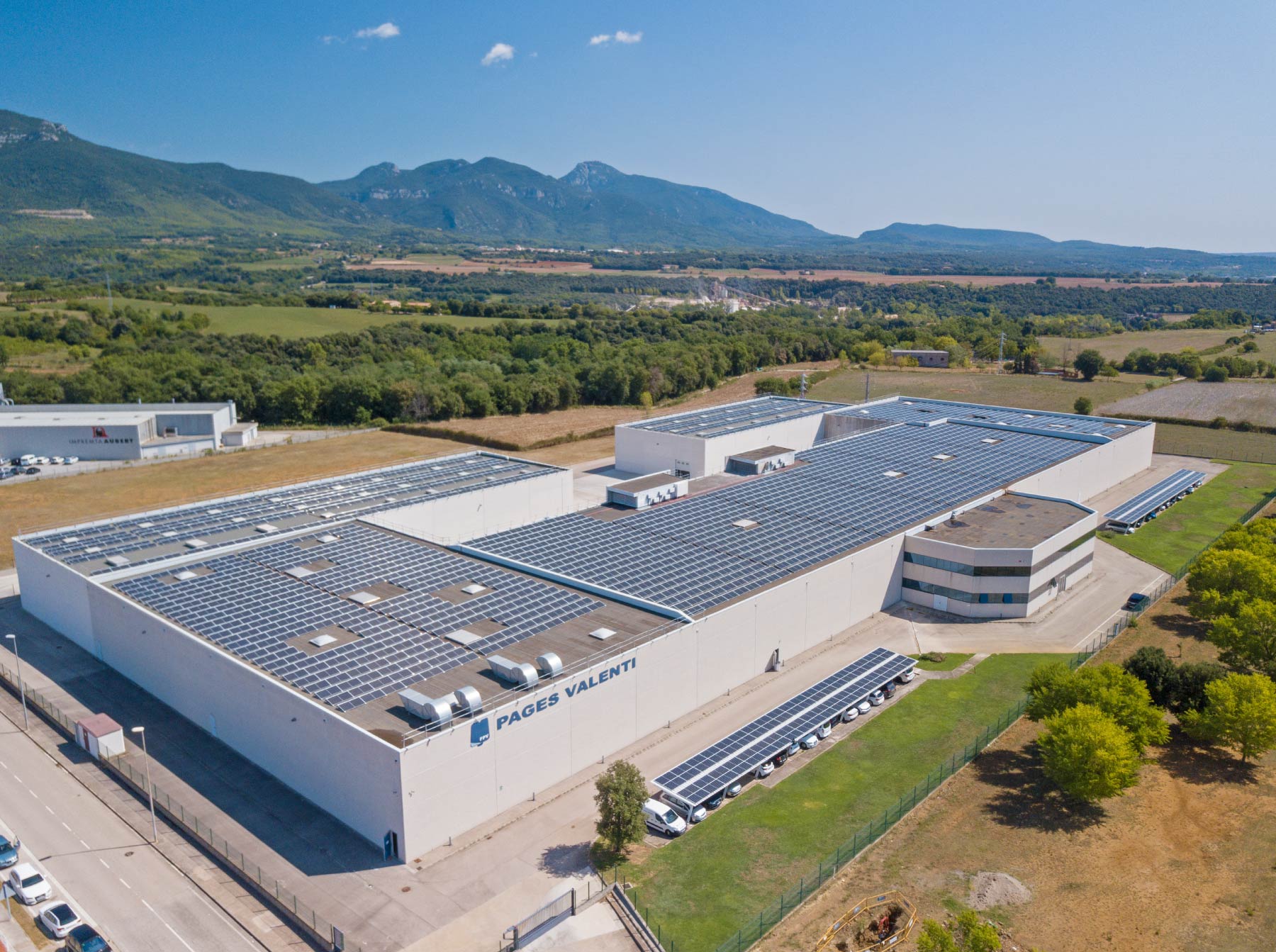
The installation of a photovoltaic solar car park can benefit from specific incentives for self-consumption and electric mobility projects: direct grants covering part of the total cost, municipal bonuses on local taxes, and tax deductions depending on the region.
At Fotovol we fully manage all available grants for your project. Check all specific incentives for electric mobility and photovoltaic installations in our electric mobility grants guide.
Frequently asked questions about photovoltaic canopies
Can EV charging points be integrated into a photovoltaic canopy?
Yes. A photovoltaic solar car park can incorporate electric vehicle charging infrastructure (EVSE), allowing the energy generated to be used directly for charging. The integration is sized according to installed power and expected consumption.
What regulations must a solar canopy for car parks comply with?
The structural design must comply with Eurocodes EN 1990 and EN 1993, considering wind, snow and self-weight loads. The electrical installation must comply with the low voltage electrical regulations and current self-consumption regulations.
Is it profitable to install a photovoltaic solar car park?
Profitability depends on the associated energy consumption, available surface area and the self-consumption model implemented. In business environments, a solar car park can significantly reduce energy costs and improve return on investment.
How much maintenance does a photovoltaic canopy require?
Maintenance is similar to that of a conventional photovoltaic installation: periodic structural inspection, anchor inspection and module cleaning. Proper structural design minimises corrective interventions.
How long does it take to install a solar canopy?
The timeframe depends on the size of the project and structural complexity. For standard projects, the complete process — from technical study to commissioning — can be completed in several weeks, including administrative procedures.
Which companies can benefit most from a solar car park?
Logistics centres, industries, shopping centres and companies with electric fleets are particularly well suited, as they combine available surface area with stable energy demand.
How long does it take to recover the investment?
The return on investment of a photovoltaic canopy depends on the associated electricity consumption and the self-consumption model implemented. In business environments with high daytime consumption, the typical payback period is between 5 and 8 years. After that, the energy generated has virtually zero cost for the 20-25 year useful life of the system. If EV fleet charging points are also integrated, the additional savings significantly accelerate the return.
Is a specific foundation required for the canopy?
Yes. Every photovoltaic canopy requires a foundation calculated according to the load-bearing capacity of the ground and the loads transmitted by the structure. At Fotovol we carry out the prior geotechnical study and define the most suitable foundation type — isolated footings, slab or micropiles — guaranteeing long-term stability without damaging the existing parking infrastructure.
How are the photovoltaic panels anchored to the structure?
Photovoltaic modules are fixed using certified anchor systems on aluminium or galvanised steel profiles, calculated to withstand the wind and snow loads defined in Eurocodes EN 1990 and EN 1993. The fixing system guarantees the waterproofing of the structure and allows individual module removal and replacement without affecting the rest of the installation.