Energy communities are backed by a consolidated European and Spanish legal framework. RD 244/2019 regulates shared self-consumption, RD-Law 5/2023 legally recognises Citizen Energy Communities and the extension to a 2 km maximum distance between installation and consumers makes it easier for more homes and businesses to participate.
n terms of funding, there are grants for energy communities in Catalonia available through the SolarCoop programme from ICAEN (up to €80,000) and CE Implementa programme, municipal bonuses on local taxes and tax deductions applicable depending on the region. Projects combining an energy community with battery storage have access to additional grants.
At Fotovol we advise you on the current regulatory framework and how to use it to drive your project forward. Check our complete guide to energy community regulations to find out about legal structures, requirements and active funding calls.
Frequently asked questions about energy community installation
How many participants do I need to create an energy community?
There is no legal minimum number of participants, but from a technical and economic standpoint we recommend a minimum of 3-4 participants for the project to be viable. The more participants, the larger the possible installation and the greater the collective savings. At Fotovol we analyse your specific case and tell you whether the planned number of participants makes the project viable before committing any resources.
Can I create an energy community in my residential block without owning the roof?
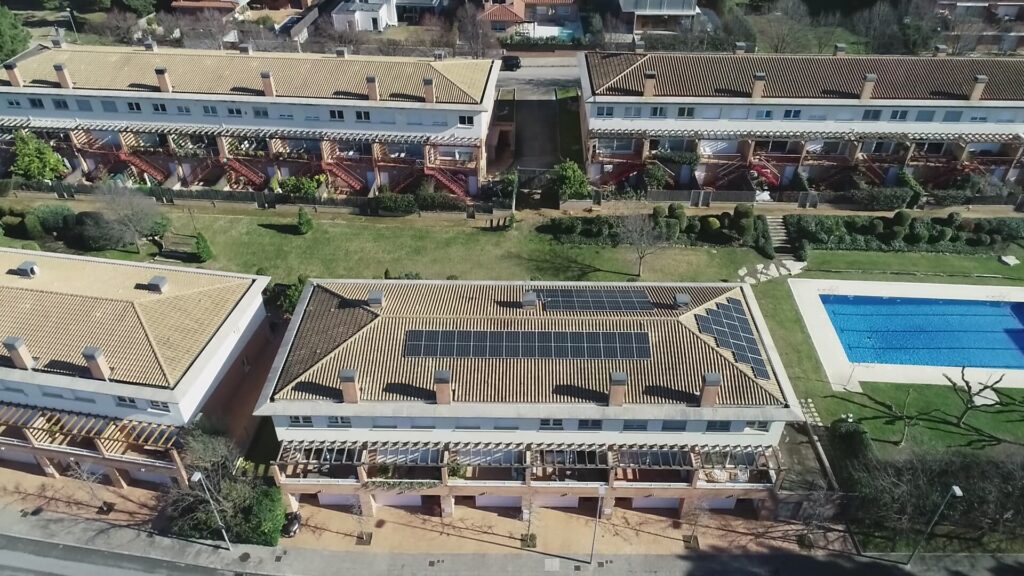
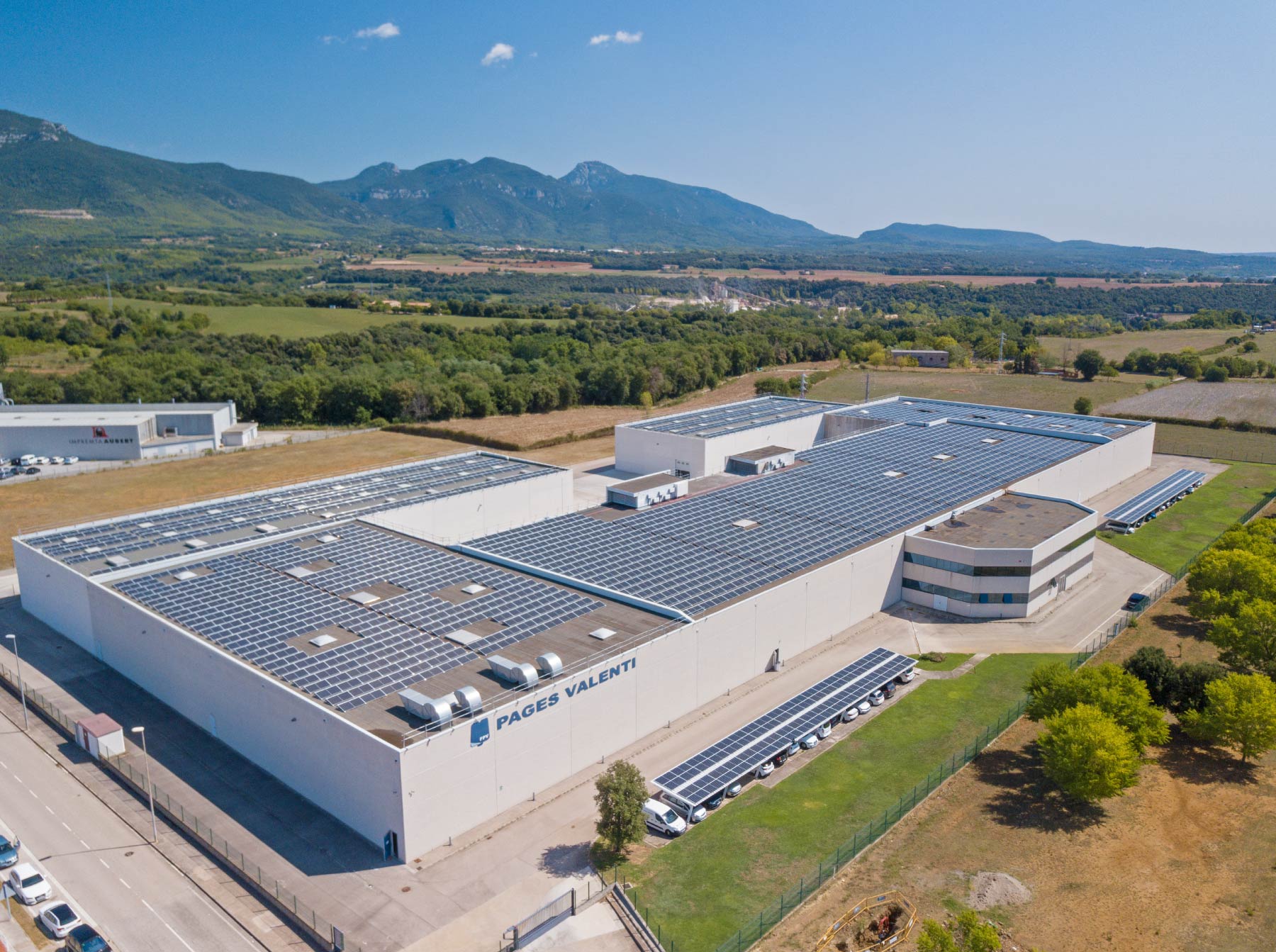
Yes. Current regulations allow the installation to be located up to 2 km from the associated consumers, so it is not essential for the installation to be on the roof of the building itself. It can be located on a municipal roof, a nearby industrial estate or any other location within the permitted radius. At Fotovol we study the best location according to your case.
How long does it take for an energy community to become operational?
The timeframe depends on the complexity of the project and the administrative procedures of each municipality, but for standard projects the complete process — from the feasibility study to commissioning and activation of distribution on bills — usually takes several months. Procedures with the grid operator are typically the step that takes the most time. At Fotovol we manage the entire process to minimise timescales.