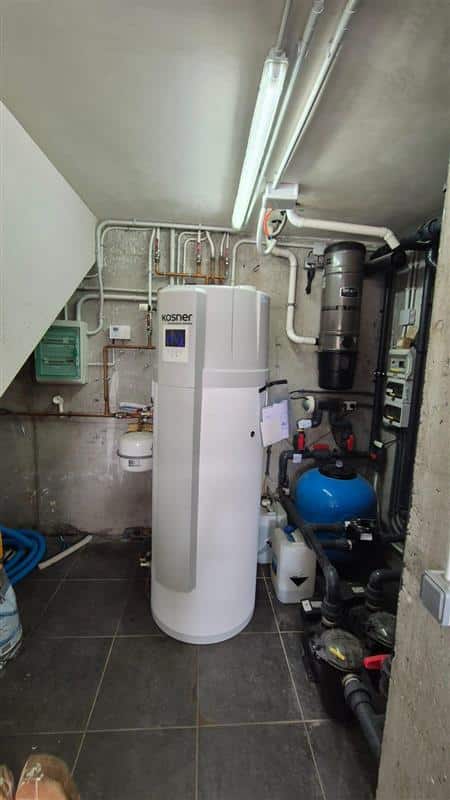
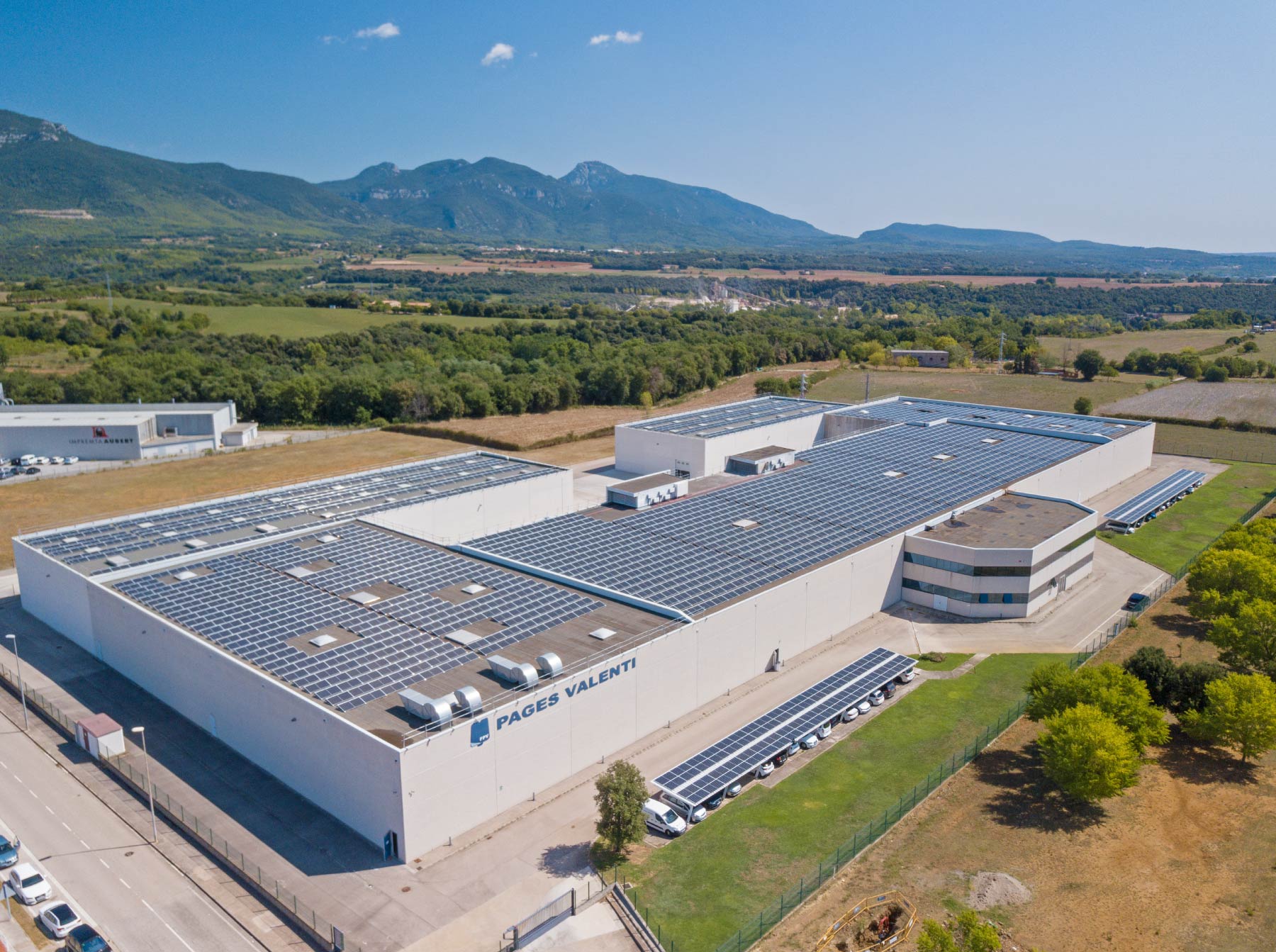
Aerothermal installation can benefit from various grants that significantly reduce the initial investment. In 2026, tax deductions, municipal bonuses and regional programmes remain active, making the switch to heat pump technology more accessible than ever.
- Income tax deduction (IRPF): Between 20% and 60% of the investment depending on the energy savings achieved, valid until 31 December 2026.
- Energy Saving Certificates (CAE): Can cover up to 15% of the installation cost through certification of the energy savings generated.
- Municipal bonuses: Discounts on IBI and ICIO taxes depending on the municipality where the installation is carried out.
- Regional programmes: Specific grants from each regional government, especially for combined aerothermal + photovoltaic installations.
At Fotovol we fully manage all available grants for your project. Check all specific incentives for aerothermal systems in our aerothermal grants guide.
Frequently asked questions about aerothermal installation
Can I keep my existing radiators with an aerothermal system?
Yes, in most cases it is entirely viable. We carry out a calculation of the emitter surface of the existing radiators to determine whether they can operate at low temperature (45-50°C). In many cases, by improving insulation or adjusting the climate curve, no additional civil works are required. We confirm this before preparing any quote.
How much does it cost to install an aerothermal system?
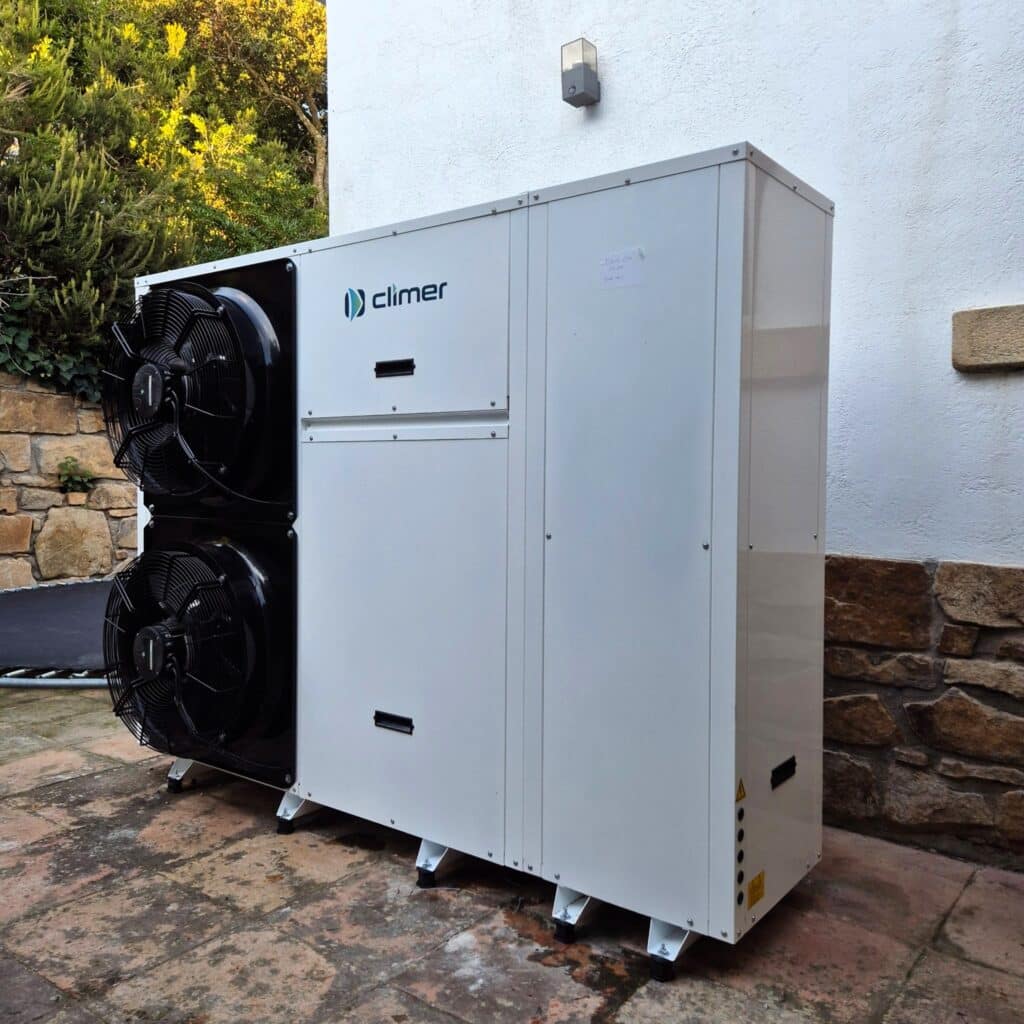
The average cost of an aerothermal installation in Spain is between €8,000 and €12,000, depending on the required power, the existing emission system and installation complexity. With income tax deductions valid until December 2026 (between 20% and 60% of the investment) and available regional programmes, the final cost can be significantly reduced. Contact us and we will prepare a detailed no-obligation quote.
Can I integrate aerothermal with my solar panels?
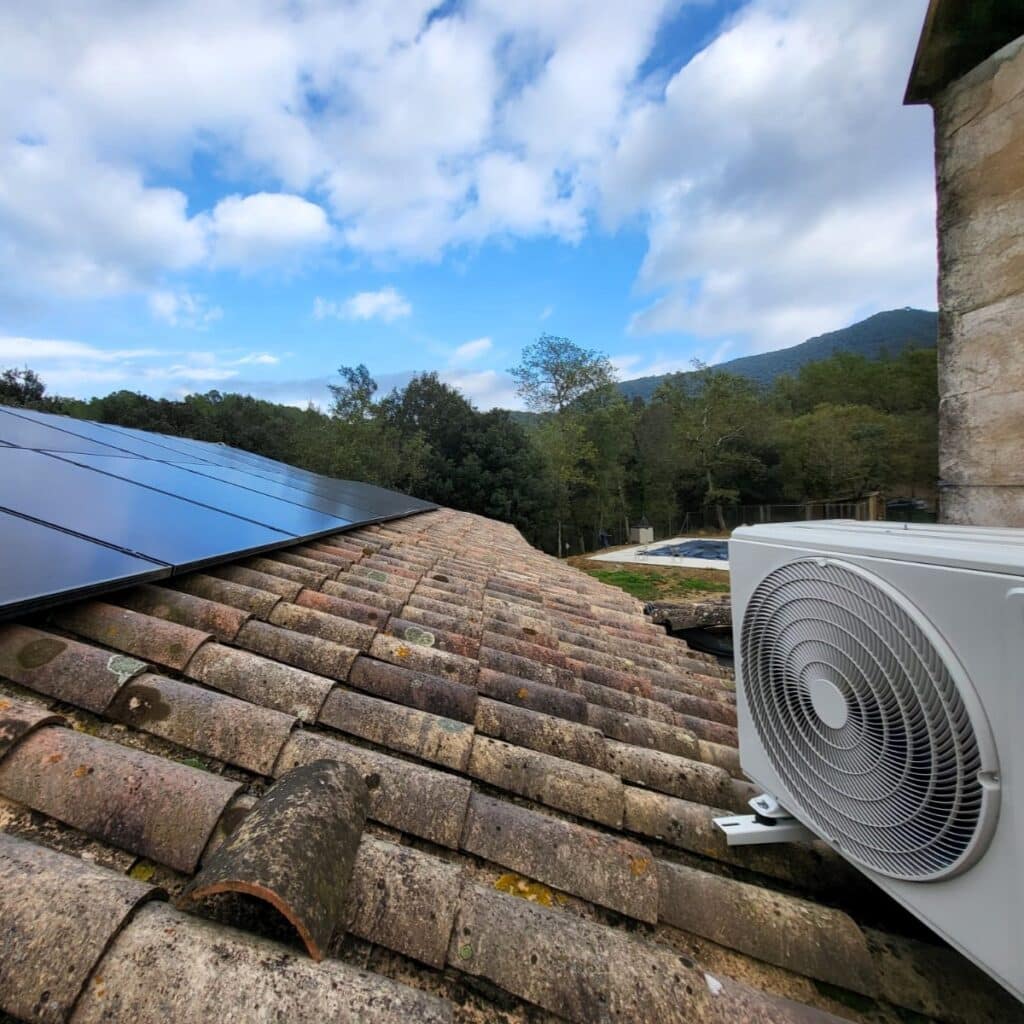
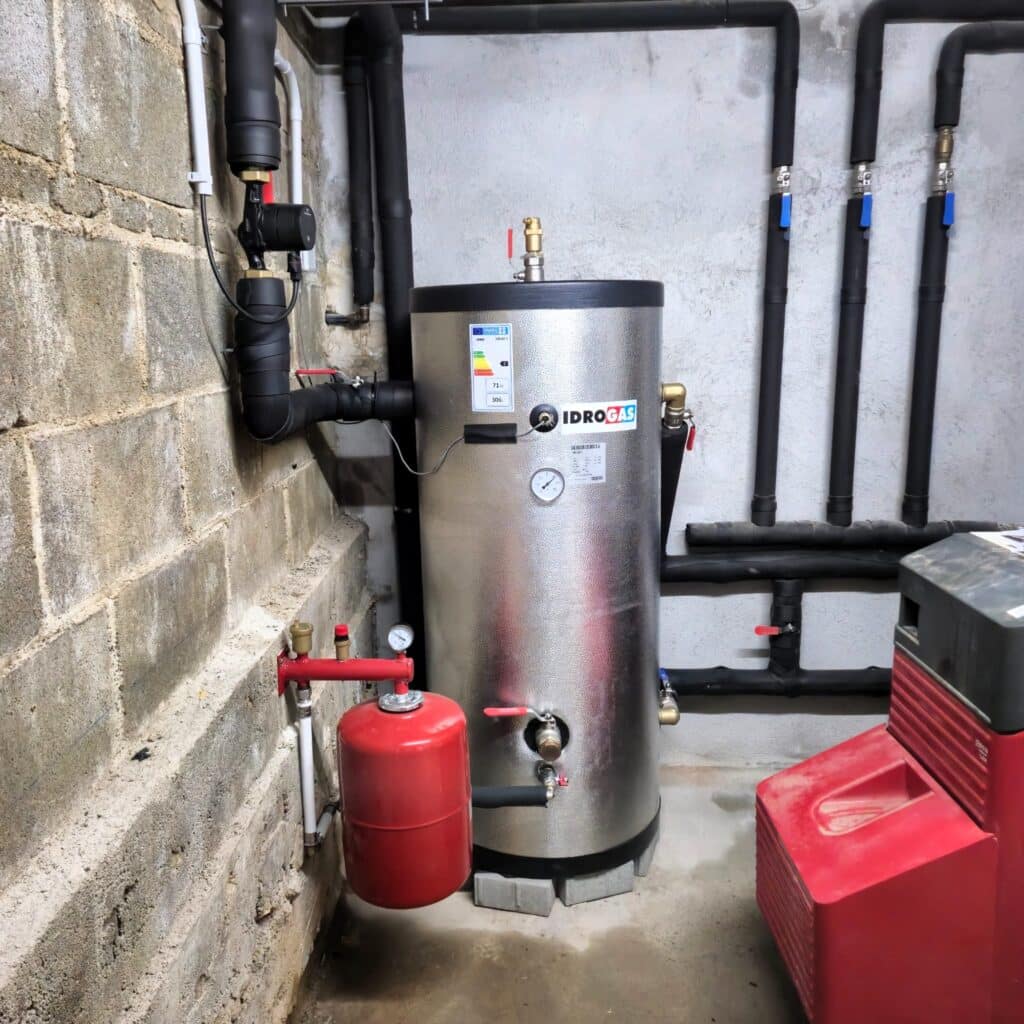
Yes, and it is the most energy-efficient combination. We configure the heat pump to use photovoltaic surpluses during peak solar production hours, performing preventive overheating of the DHW and inertia tank. The result is virtually free heating and hot water during the day, with minimal grid consumption at night.