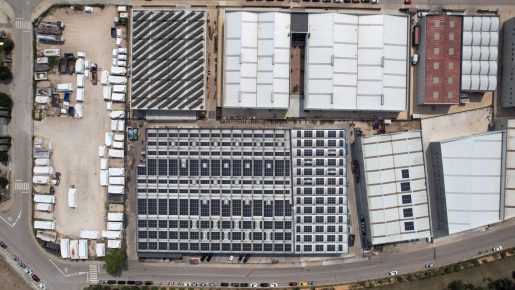
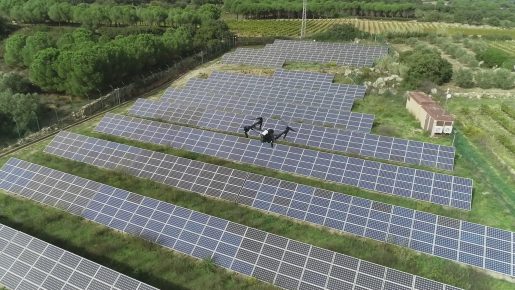
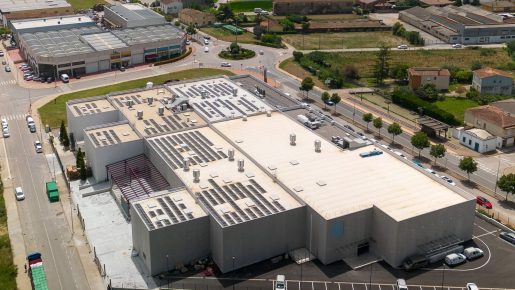
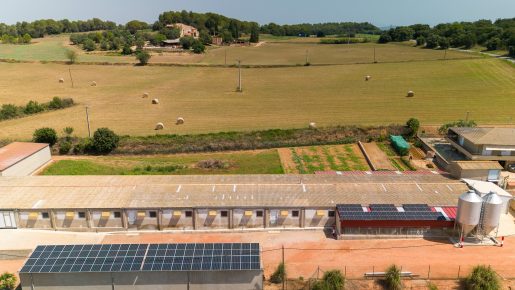
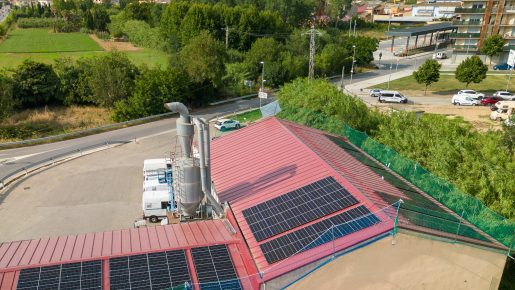
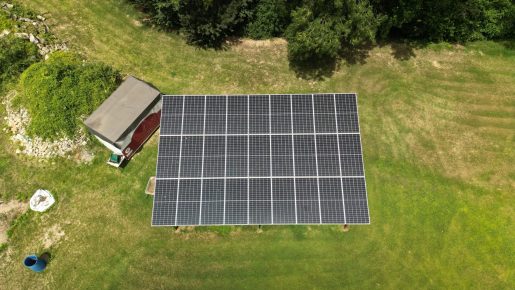
We dimension to maximize self-consumption during the school year, without over-dimensioning for summer. The base consumption (tic, cameras) supports part of the production; the rest is compensated in the invoice or the battery is valued.
No, with daytime you already achieve a high % without battery. The battery compensates if you want to cover winter evenings, events or cut power peaks.
If you can compensate surpluses, you monetize midday. If not, we install anti-spill and adjust size to avoid cuts.
Gestionar el consentiment de cookies
Per oferir les millors experiències, utilitzem tecnologies com les galetes per emmagatzemar i/o accedir a la informació del dispositiu. El consentiment d'aquestes tecnologies ens permetrà processar dades com ara el comportament de navegació o les identificacions úniques en aquest lloc. No consentir o retirar el consentiment, pot afectar negativament certes característiques i funcions.
Funcionals
Always active
L'emmagatzematge o accés tècnic és estrictament necessari per al propòsit legítim de permetre l'ús d'un servei específic sol·licitat explícitament per l'abonat o usuari, o amb l'únic propòsit de dur a terme la transmissió d'una comunicació a través d'una xarxa de comunicacions electròniques.
Preferències
The technical storage or access is necessary for the legitimate purpose of storing preferences that are not requested by the subscriber or user.
Estadístiques
L'emmagatzematge o accés tècnic que s'utilitza exclusivament amb finalitats estadístiques.The technical storage or access that is used exclusively for anonymous statistical purposes. Without a subpoena, voluntary compliance on the part of your Internet Service Provider, or additional records from a third party, information stored or retrieved for this purpose alone cannot usually be used to identify you.
Màrqueting
L'emmagatzematge o accés tècnic és necessari per crear perfils d'usuari per enviar publicitat, o per rastrejar l'usuari en un lloc web o en diversos llocs web amb finalitats de màrqueting similars.