Why self-consumption works in the hospitality industry
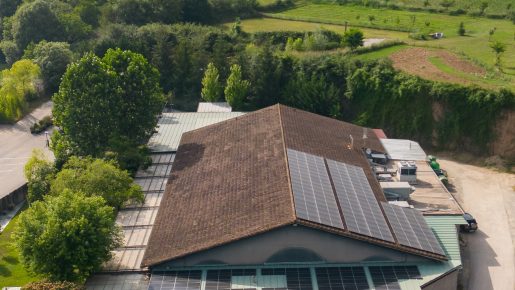
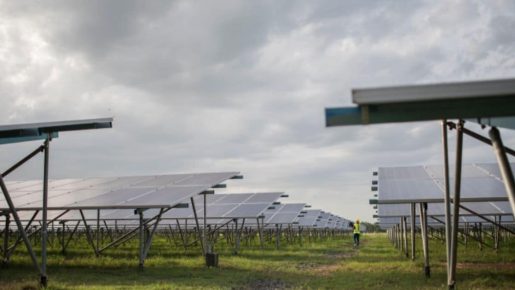
Daytime consumption + evenings: cooking, air conditioning, cameras and laundry generate a lot of kWh when the sun is shining (and some in the evening).
Stable savings: you reduce the energy term from the first month.
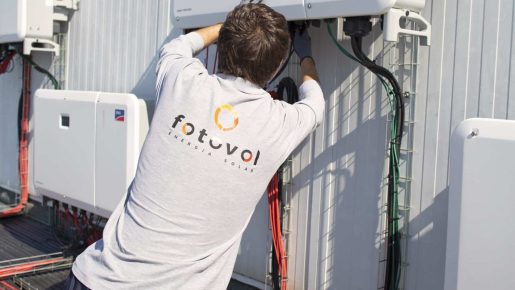
Work without stopping the business: we plan by slots/shifts, partial closures or days of lower occupancy.
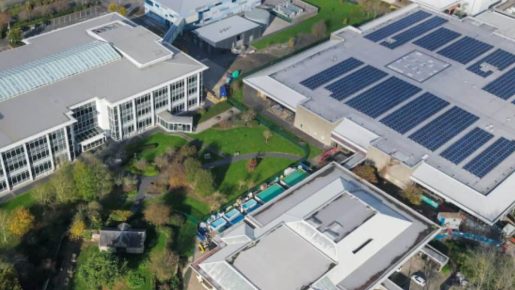
Image and CSR: clean energy visible at reception/entrance (marquees, production display).
Recommended types of self-consumption
Modality
When it fits
Practical note
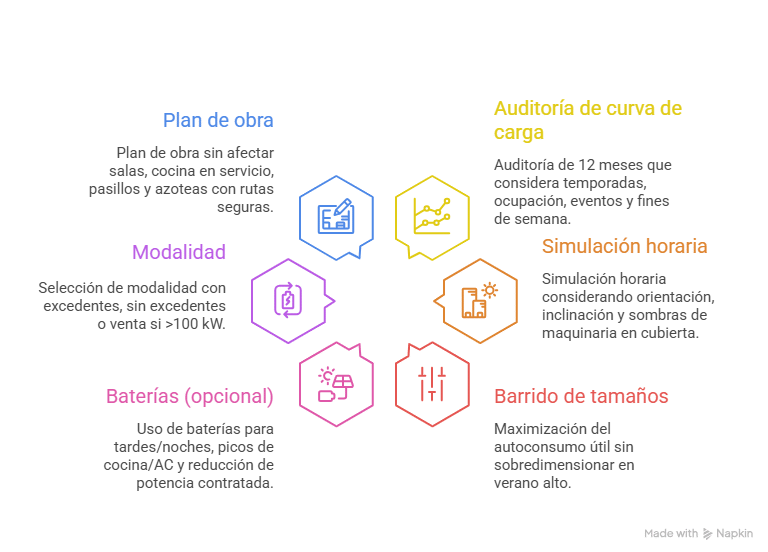
With surplus (compensation)
restaurants and hotels ≤100 kW on LV
monetize midday; do not size “to pour”.
No surplus (anti-spill)
contracts with restriction or premises with sensitive network
fast-track procedures; take care of size so as not to cut corners
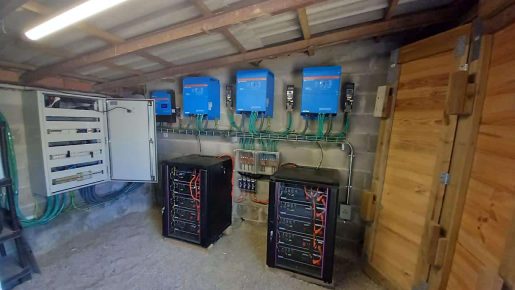
No. If your load is very diurnal (food services), you already achieve a high % without battery. The battery compensates for dinners, banquets, SPA/pool or when you want to cut power.
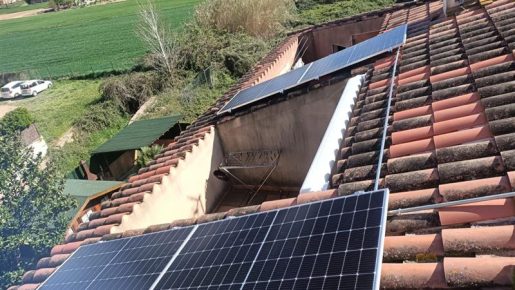
If you are in simplified compensation (≤100 kW in LV), you get a discount on your bill for the amount injected. Above that, it is usually a sale with a representative. We size for self-consumption first.
1 to 3 weeks for most businesses, depending on size and civil works. Legalization and, if applicable, OCA, are handled by us. We give you a schedule from the beginning.
No. We plan by slots/shifts and coordinate with your team so that it does not affect the service.
Gestionar el consentiment de cookies
Per oferir les millors experiències, utilitzem tecnologies com les galetes per emmagatzemar i/o accedir a la informació del dispositiu. El consentiment d'aquestes tecnologies ens permetrà processar dades com ara el comportament de navegació o les identificacions úniques en aquest lloc. No consentir o retirar el consentiment, pot afectar negativament certes característiques i funcions.
Funcionals
Always active
L'emmagatzematge o accés tècnic és estrictament necessari per al propòsit legítim de permetre l'ús d'un servei específic sol·licitat explícitament per l'abonat o usuari, o amb l'únic propòsit de dur a terme la transmissió d'una comunicació a través d'una xarxa de comunicacions electròniques.
Preferències
The technical storage or access is necessary for the legitimate purpose of storing preferences that are not requested by the subscriber or user.
Estadístiques
L'emmagatzematge o accés tècnic que s'utilitza exclusivament amb finalitats estadístiques.The technical storage or access that is used exclusively for anonymous statistical purposes. Without a subpoena, voluntary compliance on the part of your Internet Service Provider, or additional records from a third party, information stored or retrieved for this purpose alone cannot usually be used to identify you.
Màrqueting
L'emmagatzematge o accés tècnic és necessari per crear perfils d'usuari per enviar publicitat, o per rastrejar l'usuari en un lloc web o en diversos llocs web amb finalitats de màrqueting similars.