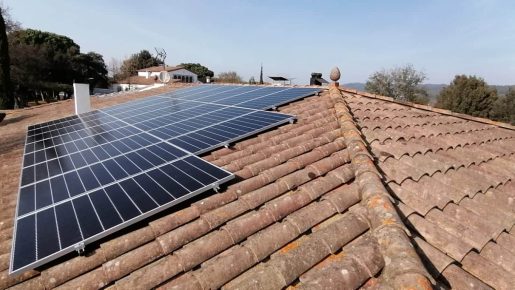
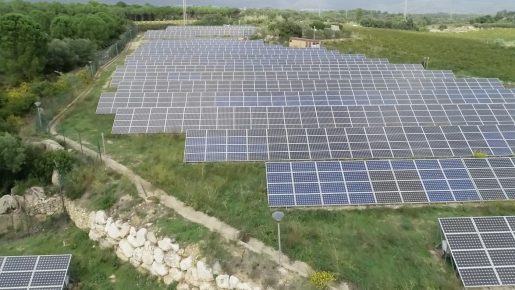
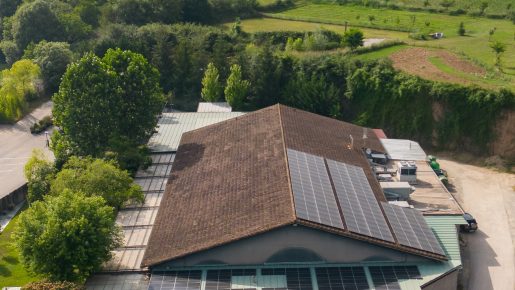
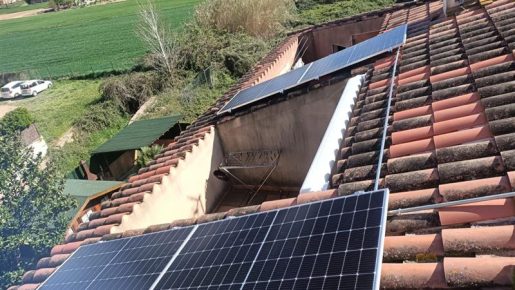
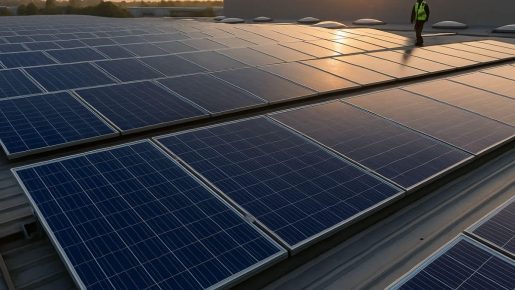
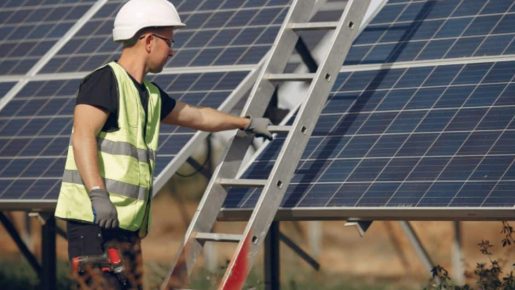
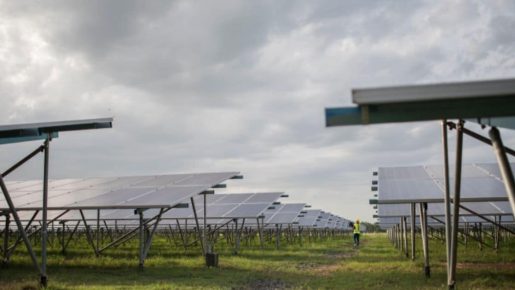
Elevated structures that combine cultivation + energy: protect from excess sun, reduce water stress and generate kWh. Useful in horticultural crops, young vineyards or pastures. We design height, density and separation according to machinery and crop.
Why self-consumption works in the field
Consumption in hours of sunshine: irrigation, ventilation and greenhouses coincide with PV production.
Stable cost: you deduct part of the electricity and diesel bill.
Simple operation: low maintenance and high reliability in rural environments.
Independence: ideal in farms with weak or remote networks.
Key applications (what generates the most savings)
Solar pumping for irrigation: wells and ponds direct or with inverter; hybrid grid/diesel option. → /service/solar-pump/solar-pump/
Greenhouses: ventilation, evaporative cooling, electric heating and lighting.
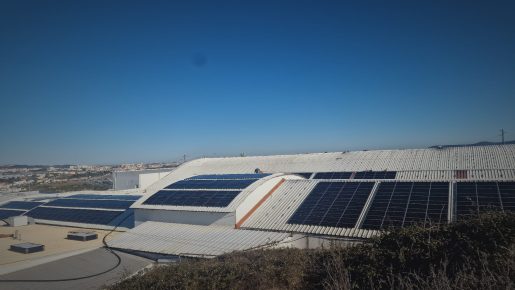
Warehouses and farms: lighting, milking, fencing, compressors, irrigation huts.
Refrigeration and preservation: fruit/vegetable chambers, milk and cutting rooms.
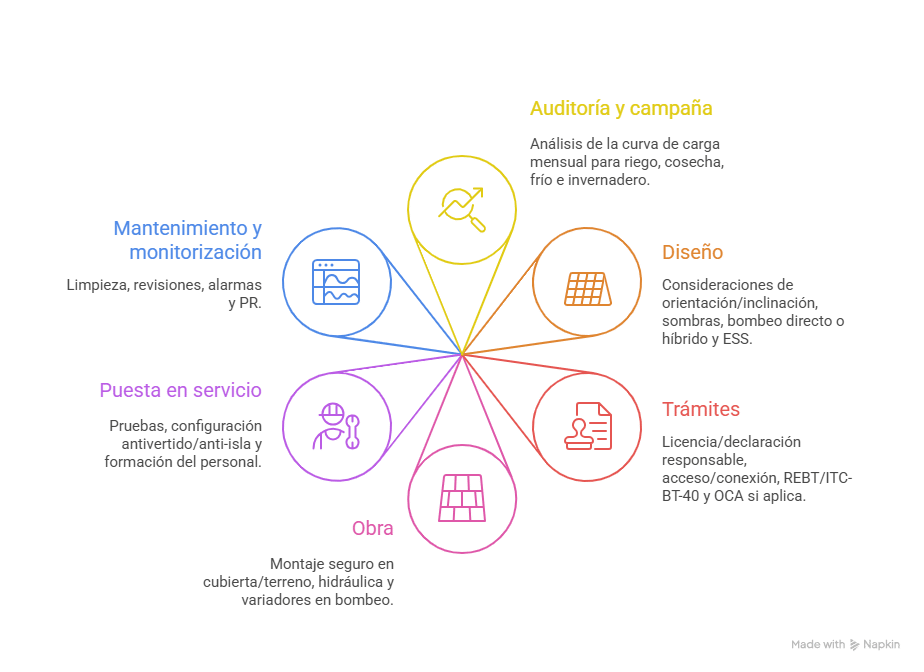
If there is evening/night watering, continuous cold or you want to stabilize power. We decide with your load curve.
Gestionar el consentiment de cookies
Per oferir les millors experiències, utilitzem tecnologies com les galetes per emmagatzemar i/o accedir a la informació del dispositiu. El consentiment d'aquestes tecnologies ens permetrà processar dades com ara el comportament de navegació o les identificacions úniques en aquest lloc. No consentir o retirar el consentiment, pot afectar negativament certes característiques i funcions.
Funcionals
Always active
L'emmagatzematge o accés tècnic és estrictament necessari per al propòsit legítim de permetre l'ús d'un servei específic sol·licitat explícitament per l'abonat o usuari, o amb l'únic propòsit de dur a terme la transmissió d'una comunicació a través d'una xarxa de comunicacions electròniques.
Preferències
The technical storage or access is necessary for the legitimate purpose of storing preferences that are not requested by the subscriber or user.
Estadístiques
L'emmagatzematge o accés tècnic que s'utilitza exclusivament amb finalitats estadístiques.The technical storage or access that is used exclusively for anonymous statistical purposes. Without a subpoena, voluntary compliance on the part of your Internet Service Provider, or additional records from a third party, information stored or retrieved for this purpose alone cannot usually be used to identify you.
Màrqueting
L'emmagatzematge o accés tècnic és necessari per crear perfils d'usuari per enviar publicitat, o per rastrejar l'usuari en un lloc web o en diversos llocs web amb finalitats de màrqueting similars.